
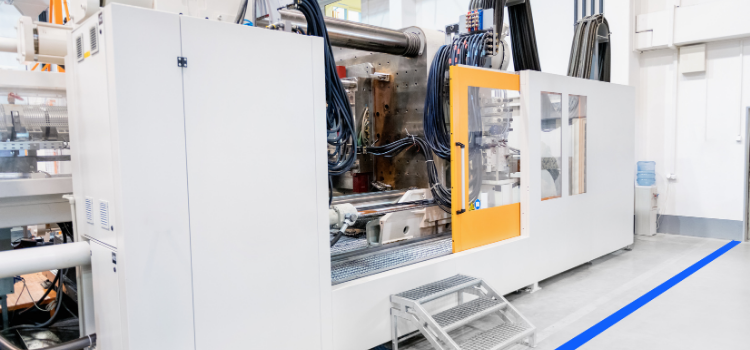
Injection molding is a cornerstone of modern manufacturing, enabling the mass production of complex plastic parts with high precision and efficiency. As technology advances, new techniques in injection molding are emerging, offering unprecedented levels of efficiency and quality. This article explores the most significant advancements in injection molding techniques and their impact on maximizing efficiency in the manufacturing process.
1. Scientific Molding
Scientific molding, also known as decoupled molding, is a methodical approach to injection molding that relies on data and precise control of the molding process. By using sensors and data analysis, manufacturers can monitor and adjust variables such as pressure, temperature, and fill time to achieve optimal conditions. This technique reduces variability, minimizes defects, and ensures consistent quality, leading to higher efficiency and less waste.
2. Micro Injection Molding
As the demand for smaller, more intricate components grows, micro injection molding has become increasingly important. This technique involves the production of tiny parts, often weighing less than a gram, with extremely tight tolerances. Advances in micro molding machines and materials have made it possible to produce these small components with high precision and repeatability. The ability to create detailed micro parts efficiently is particularly valuable in industries such as medical devices, electronics, and automotive.
3. Multi-Material and Multi-Component Molding
Multi-material injection molding, also known as overmolding or two-shot molding, involves molding multiple materials in a single process. This technique allows manufacturers to produce parts with different materials, colors, or properties without the need for assembly. For example, a product can have a rigid core and a soft outer layer, or combine various colors in one part. This not only enhances the functionality and aesthetic appeal of products but also streamlines the production process, reducing costs and increasing efficiency.
4. Automated Injection Molding Systems
Automation is revolutionizing injection molding by integrating robotic systems and advanced control software. Automated systems can handle tasks such as part removal, assembly, quality inspection, and packaging, significantly reducing labor costs and increasing throughput. Additionally, automation enhances precision and consistency, leading to higher quality products. The use of automated systems also minimizes downtime and improves overall production efficiency.
5. In-Mold Decorating and Labeling (IMD/IML)
In-mold decorating (IMD) and in-mold labeling (IML) are techniques that integrate the decoration or labeling of a part within the injection molding process. IMD involves placing a pre-printed film or foil inside the mold, which then becomes part of the final product. IML, on the other hand, involves placing a pre-printed label in the mold. These techniques eliminate the need for post-molding decoration or labeling, reducing production steps, time, and costs. They also provide durable and high-quality finishes that enhance the product’s aesthetic and functional properties.
6. Advanced Material Technologies
The development of new polymers and composite materials is expanding the possibilities of injection molding. High-performance materials such as biodegradable polymers, thermoplastic elastomers, and high-temperature plastics enable the production of parts with superior properties, such as increased strength, flexibility, or environmental sustainability. Using these advanced materials can improve product performance and reduce environmental impact, aligning with the growing emphasis on sustainability in manufacturing.
7. Process Monitoring and Control Systems
Modern injection molding machines are equipped with sophisticated process monitoring and control systems. These systems provide real-time data on various parameters, allowing operators to make immediate adjustments and ensure optimal conditions throughout the molding cycle. By leveraging technologies such as machine learning and predictive analytics, manufacturers can enhance process stability, reduce cycle times, and prevent defects, thereby maximizing efficiency.
- Over 25+ Years Of Experiences
- 24/7 Support Team & Delivery time
- Worldwide Service Provider
- Local & Global Network
Conclusion
Advanced injection molding techniques are transforming the manufacturing landscape by enhancing efficiency, reducing costs, and improving product quality. Scientific molding, micro injection molding, multi-material molding, automation, in-mold decorating, advanced materials, and process monitoring are all contributing to a more efficient and capable injection molding process. As these technologies continue to evolve, manufacturers will be better equipped to meet the demands of modern production, delivering high-quality products with greater speed and sustainability.