
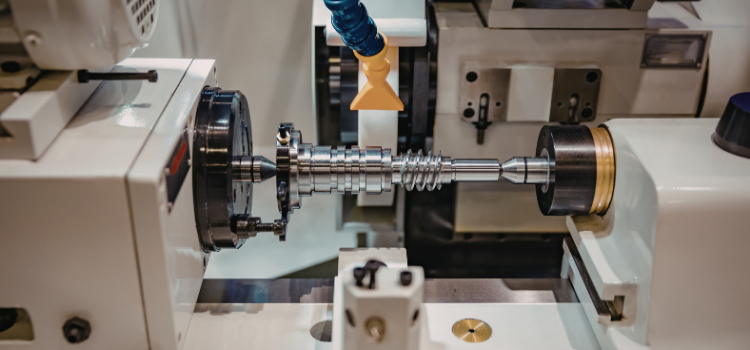
In today’s highly competitive industrial landscape, precision engineering has become a cornerstone of modern manufacturing. As industries demand higher accuracy, tighter tolerances, and consistent quality, precision engineering ensures that components and systems are produced exactly to specification, every time. From automotive and electronics to aerospace and medical devices, precision engineering plays a vital role in delivering reliable and high-performance products.
Precision engineering refers to the design, development, and manufacturing of components with extremely accurate measurements and minimal margin for error. This discipline relies on advanced machinery, skilled expertise, and strict quality control processes to achieve superior accuracy. Even a minor deviation can affect product performance, safety, and longevity, making precision essential rather than optional.
One of the key benefits of precision engineering is improved product quality. High-precision components fit better, function smoothly, and last longer. This reduces the risk of mechanical failure, enhances reliability, and ensures consistent performance in demanding industrial environments. For manufacturers, this translates into fewer defects, lower rejection rates, and improved customer satisfaction.
Another critical advantage is manufacturing efficiency. Precision-engineered tools, molds, and components enable faster production cycles with minimal rework. Advanced CNC machines, automated systems, and precision tooling reduce manual intervention and human error. This not only improves productivity but also helps manufacturers meet tight deadlines without compromising quality.
Precision engineering also supports cost optimization in the long run. While high-precision manufacturing may require initial investment in technology and expertise, it significantly reduces material wastage, rework, and maintenance costs. Accurate manufacturing processes ensure optimal use of raw materials and energy, resulting in sustainable and cost-effective production.
In modern manufacturing, precision engineering is closely linked with innovation and advanced technologies. Techniques such as computer-aided design (CAD), computer-aided manufacturing (CAM), automation, and quality inspection systems allow manufacturers to produce complex geometries with exceptional accuracy. These technologies make it possible to meet evolving industry standards and global compliance requirements.
Furthermore, precision engineering is essential for scalability and global competitiveness. As businesses expand and serve international markets, maintaining consistent quality across large production volumes becomes critical. Precision-engineered processes ensure uniformity, repeatability, and compliance with global quality standards, enabling manufacturers to build trust with worldwide clients.
At its core, precision engineering reflects a commitment to excellence. It demonstrates a manufacturer’s focus on quality, innovation, and long-term performance. Companies that invest in precision engineering are better positioned to adapt to market changes, meet customer expectations, and deliver future-ready solutions.
In conclusion, precision engineering is not just a technical requirement—it is a strategic advantage in modern manufacturing. By ensuring accuracy, efficiency, and reliability, it empowers manufacturers to produce high-quality products, reduce costs, and compete confidently in global markets. As industries continue to evolve, the role of precision engineering will only grow in importance, shaping the future of manufacturing excellence.